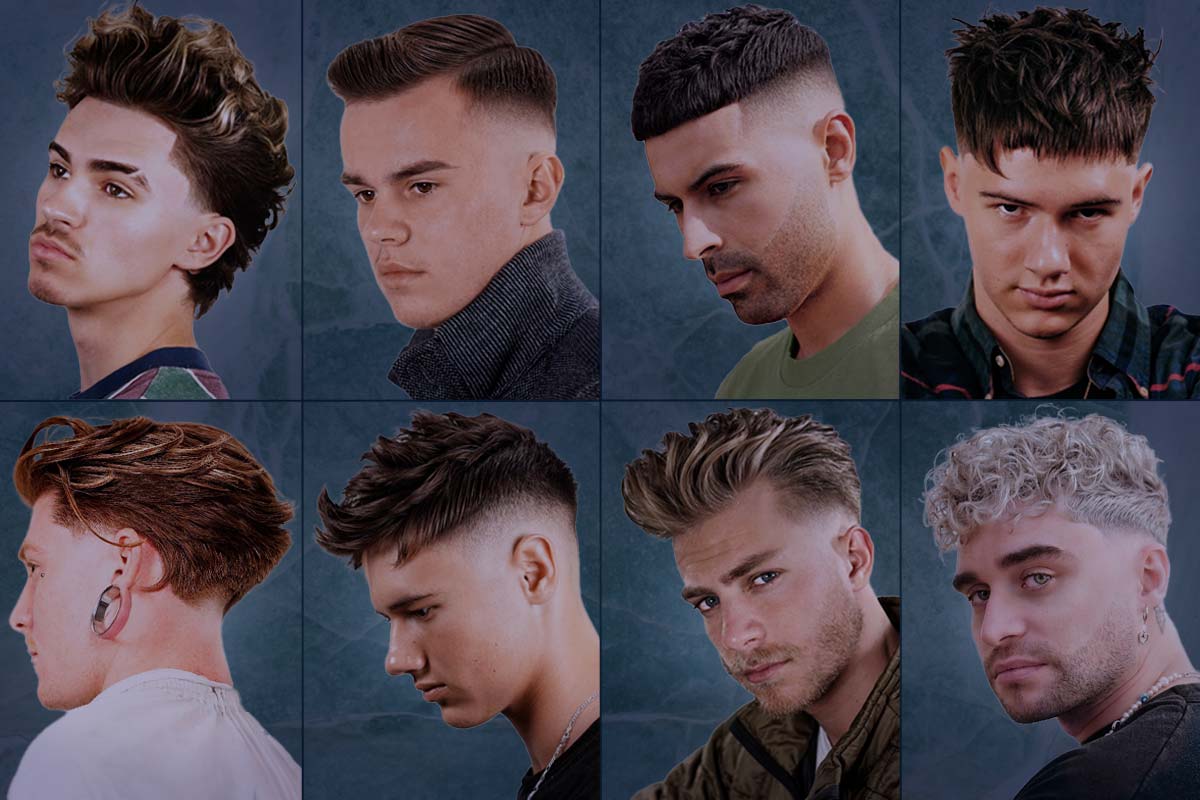
Country music is everywhere. Walk into a bar in Nashville or a gym in Los Angeles and you’ll hear the same twangy guitar riffs. It’s a cultural takeover. Because of that, country haircuts for men have shifted from being "working man" staples to the most requested styles in high-end grooming lounges. It’s weird, honestly. Ten years ago, if you asked for a "Mullet," people thought you were joking or stuck in 1987. Now? It’s a badge of honor.
The modern country look isn't just about being messy or "low-effort." That’s a common misconception. Most guys think they can just stop cutting their hair and call it a day. Wrong. Real country style is rooted in functionality, but it’s evolved into something much more intentional. It's about that specific blend of ruggedness and "I actually own a mirror."
The Architecture of the Modern Country Look
Look at Morgan Wallen. Love him or hate him, the guy single-handedly revived the country mullet. But if you look closely at what he’s doing, it’s not the thin, wispy "rat tail" of the 80s. It’s a "Burst Fade Mullet." The sides are tight—nearly skin-tight around the ears—and the volume is concentrated on top and in the back. This creates a silhouette that works for almost any face shape. It’s basically the "shag" but with more testosterone.
Why does it work?
Texture.
Country haircuts for men rely heavily on hair that looks like it’s been through some wind and dust. If your hair is too flat or too shiny, it looks like a costume. You want grit. Barbers like Matty Conrad, a massive name in the grooming world, often preach about using sea salt sprays and clay-based pomades. These products suck the moisture out of the hair just enough to give it that "lived-in" feel. It’s the difference between looking like a guy who works on a ranch and a guy who just bought his first pair of cowboy boots at a mall.
The Classic Taper and the "Outlaw" Fringe
Not everyone wants a mullet. I get it. Some guys need to look professional Monday through Friday but still want that rural edge for the weekend. This is where the classic country taper comes in. Think of it as a standard gentlemen’s cut, but with more length on the sides and back. It’s less "corporate" and more "Cody Johnson."
The key here is the "fringe."
Most country-inspired cuts feature hair that falls naturally over the forehead or is swept loosely to the side. Avoid the "high and tight" look common in the military unless you’re specifically going for that tactical-country vibe. A real country taper should have soft edges. You don't want a sharp, straight line across the back of your neck. Ask your barber for a "tapered nape." It grows out much more naturally, which is great because most country guys don't want to be in a barber chair every two weeks.
Let’s Talk About the Beard Paradox
You can’t talk about country haircuts for men without mentioning the beard. They are a package deal. But here is where most guys mess up: they match a wild, unkempt haircut with a wild, unkempt beard.
Contrast is your best friend.
If you have a messy, textured mullet, your beard should be relatively groomed. If you have a very clean, tapered haircut, you can get away with a longer, more natural beard. It’s all about balance. According to a 2023 study on male grooming trends by Mintel, men are increasingly moving away from "perfect" grooming and toward "managed ruggedness." Basically, you want to look like you could fix a fence, even if the most "country" thing you do is watch Yellowstone on a Saturday night.
The Cowboy Hat Factor
Nobody tells you about the "hat hair" struggle. If you actually wear a Stetson or a baseball cap, your haircut needs to account for that. A lot of country styles are built specifically to look better after you take a hat off.
That’s why volume on the sides is usually kept low.
When you wear a hat, the hair that sticks out from the bottom is what people see. If the sides are too puffy, the hat makes your head look like a mushroom. If the back is too short, you look like you’re wearing a wig that doesn't fit. The "Modern Country Slick Back" is perfect for hat-wearers. You use a heavy-hold wax to push everything back, and then the hat actually helps set the style while you wear it. By the time you take it off, your hair has a natural, flattened-but-styled shape.
Maintenance and the "No-Wash" Secret
Most city guys wash their hair every single morning. That is the quickest way to ruin a country haircut. Real country texture comes from natural oils. If you strip those away with cheap shampoo every 24 hours, your hair becomes fluffy and "flyaway."
Try this instead:
- Wash with shampoo maybe twice a week.
- Use conditioner every day to keep it from getting brittle.
- Use a "dry shampoo" or a "texture powder" on the days you don't wash.
This builds up "tack." Tack is what allows your hair to stand up or stay back without looking like it’s frozen in place by hairspray. It’s that effortless look that actually takes a little bit of effort to set up.
Why the "Country" Label is Changing
We’re seeing a massive blurring of lines. You’ve got guys in Austin, Nashville, and even Brooklyn rocking these styles. Is it still "country" if you’ve never seen a cow? Probably. It’s more of an aesthetic choice now—a rejection of the overly polished, "metrosexual" looks of the early 2010s. People want something that feels authentic. They want hair that looks like it has a story.
The "Wolf Cut" is another one that’s sneaking into the country scene. It’s essentially a very layered, shaggy mullet. It’s popular with the younger generation of country artists who are influenced by 70s rock. It’s messy, it’s loud, and it requires almost zero styling in the morning. Just wake up, shake your head, and you're good.
Getting the Right Cut: What to Tell Your Barber
Don't just walk in and say "I want a country haircut." That means a thousand different things depending on where you are. If you’re in a rural town, they might give you a buzz cut. If you’re in a city, they might give you a pompadour.
Be specific.
- Mention the "Flow." This is the most important word in the country hair lexicon. It refers to the length and movement of the hair, especially around the ears and neck.
- Ask for "Point Cutting." Instead of cutting in a straight line, the barber snips into the hair with the tips of the scissors. This creates the jagged, textured ends that are essential for this look.
- Discuss the "Nape." Do you want it blocked (square), rounded, or tapered (faded)? For a country look, tapered or natural is almost always the better choice.
Actionable Next Steps
If you're ready to make the switch to a more rural-inspired aesthetic, don't rush it.
Start by letting the back of your hair grow for about three weeks longer than usual while keeping the sides trimmed. This will give you a "preview" of the mullet or shaggy silhouette without fully committing to a radical change.
Pick up a matte clay or a sea salt spray. Avoid anything that says "high shine" or "gel" on the bottle. Apply these products to damp hair, then let it air dry. Avoid blow dryers if you can; they make the hair too smooth.
Finally, find a barber who understands "texture." If their portfolio is full of nothing but perfectly lined-up skin fades and sharp edges, they might struggle with the lived-in, messy vibe of a country style. Look for someone who uses shears as much as they use clippers. Authenticity is the goal. If your hair looks like it belongs in a boardroom, it’s not a country haircut. It should look like it belongs at a bonfire.
Stop overthinking the "rules" of grooming. The best country haircuts for men are the ones that look like they've been through a little bit of life. Let it grow, keep it textured, and don't be afraid of a little mess. That’s where the character is.