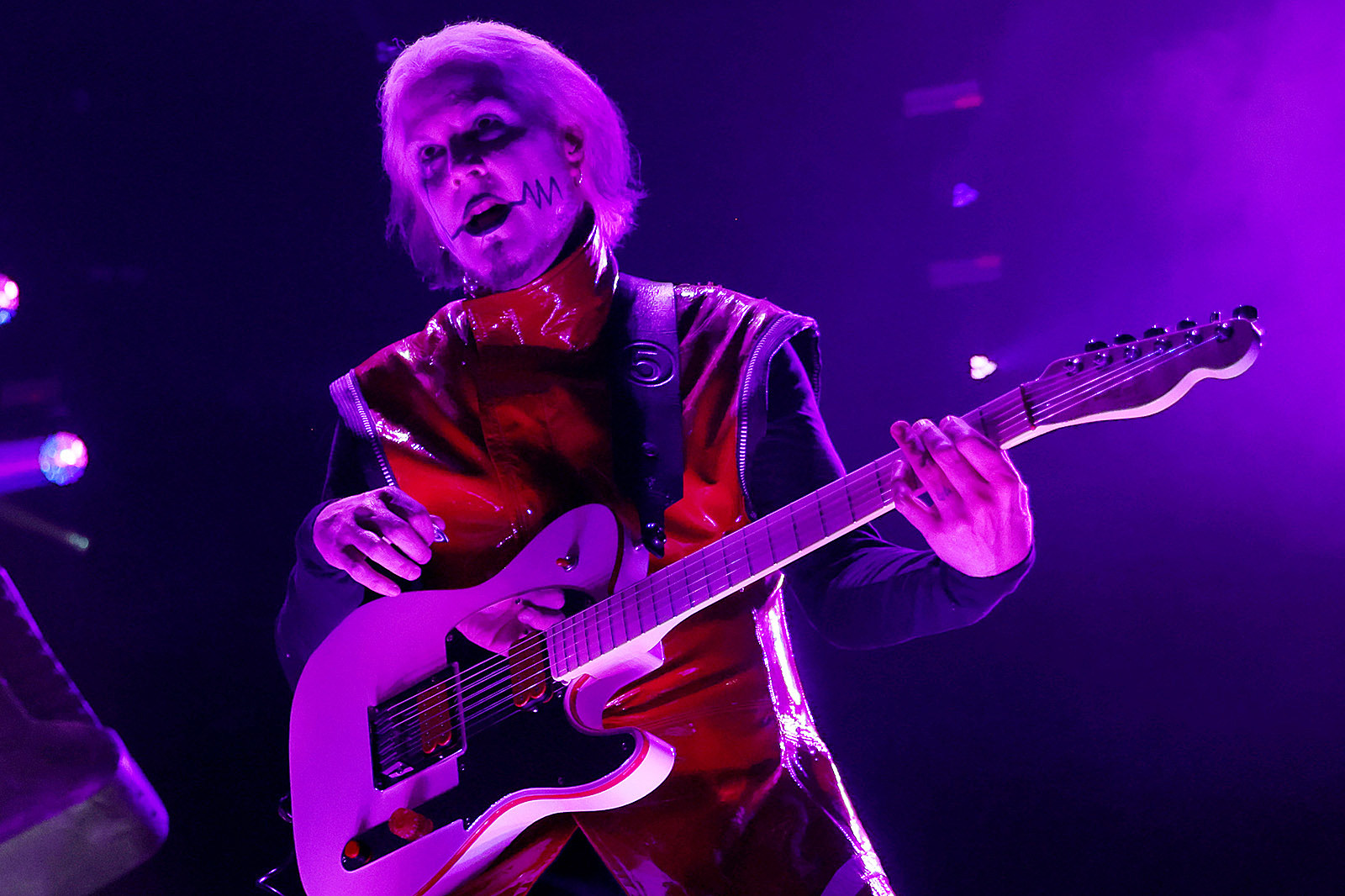
Honestly, if you ask a casual fan who the lead singer of Mötley Crüe is, they’ll say Vince Neil without blinking. And they aren't wrong. Vince is the voice of "Girls, Girls, Girls" and the guy who wails through "Kickstart My Heart." But the history of motley crue lead singers is actually a lot messier than just one guy with bleach-blonde hair.
It’s a saga of firings, tragic accidents, industrial experiments, and a five-year stretch where the band tried to become "serious musicians" with a completely different frontman.
People forget that before the world knew their name, the band was just a bunch of guys in Los Angeles trying to find anyone who didn't suck.
The Audition Phase: Before Vince was Vince
Back in 1981, Nikki Sixx and Tommy Lee were basically a rhythm section looking for a soul. They had a guitarist named Greg Leon for a minute, but Nikki eventually kicked him out because the "vibe" wasn't right. After Mick Mars joined and brought his "loud, rude, and aggressive" energy, they still had a massive hole at the front of the stage.
They actually auditioned a guy named O'Dean Peterson.
It didn't stick.
Tommy Lee kept bringing up this guy he went to high school with—Vince Neil Wharton. At the time, Vince was fronting a cover band called Rock Candy. He actually turned the Crüe down at first. He had a steady gig, and this new project seemed like a gamble. But when Rock Candy started to splinter, Vince finally caved.
The second he walked into the rehearsal space, things changed. Nikki Sixx has often said that they started rewriting songs like "Live Wire" on the spot to fit Vince's specific, high-pitched rasp. That was the moment Mötley Crüe actually became a band.
The Vince Neil Era (Part 1): Total Chaos
From 1981 to 1992, Vince was the face of the Sunset Strip. This was the peak. We’re talking Too Fast for Love, Shout at the Devil, and the global explosion of Dr. Feelgood.
But it wasn't all platinum records.
In 1984, Vince was behind the wheel during a crash that killed Hanoi Rocks drummer Nicholas "Razzle" Dingley. It changed the band's trajectory, even if they kept partying through the late 80s. By the time the 90s rolled around, the tension was terminal.
The "official" story the band put out in February 1992 was that Vince was too focused on race car driving. The real story? He missed a rehearsal on a rainy day, Nikki was fed up with his lack of involvement in songwriting, and they fired him.
The John Corabi Experiment: The 1994 Pivot
This is the part of the motley crue lead singers timeline that Nikki Sixx seems to want everyone to forget. With Vince gone, they hired John Corabi, who had been fronting a band called The Scream.
Corabi was a total 180 from Vince.
- He played guitar.
- He had a gravelly, bluesy voice.
- He actually wrote lyrics and collaborated on the music.
They released the self-titled Mötley Crüe album in 1994. If you haven't heard it, it’s heavy. It sounds more like Soundgarden than "Smokin' in the Boys Room." Critics actually liked it, but the fans? They hated it. Or more accurately, they didn't buy it.
The tour was a disaster. They went from playing stadiums to half-empty clubs. By 1996, the record label (Elektra) basically forced the band's hand: bring back Vince, or we’re cutting the checks.
John Corabi has recently spoken out about how he felt relieved when he was finally fired. He described the band as being filled with "turmoil and gossip," saying that being let go felt like a 300-pound weight was lifted off his shoulders.
The Reunion and the Health Scares
Vince came back in 1997 for the Generation Swine record, and he’s been there ever since—mostly.
Lately, though, it hasn't been smooth sailing. Throughout 2025, Vince had to step away from the stage for a significant amount of time. He eventually revealed that he suffered a stroke on December 26, 2024. It was a terrifying situation where his entire left side went out, and he had to literally learn to walk again.
Doctors told him he might never perform again.
In true rock star fashion, he told them "F— that." After months of physical therapy and moving from a wheelchair to a walker to a cane, he finally returned to the stage in August 2025 at the MGM Music Hall in Boston.
Why the Singer Carousel Matters
When you look at the history of motley crue lead singers, you see the identity crisis of 80s rock. Vince Neil represents the image, the party, and the "vibe" of the band. John Corabi represents the one time they tried to be "musicians' musicians."
Most fans will always choose the vibe.
Even with Vince’s voice struggling in recent years—something critics have been brutal about—he’s the only one who makes the band feel like Mötley Crüe. There’s a specific chemistry between Nikki, Tommy, and Vince that just can't be replicated with a "better" singer.
How to Explore the Crüe’s History Yourself
If you want to understand the different eras of the band, don't just listen to the Greatest Hits. Do this instead:
- Listen to the 1994 Self-Titled Album: It’s the only record with John Corabi. Forget that it says "Mötley Crüe" on the cover and just listen to it as a 90s heavy rock record. It’s surprisingly good.
- Compare "Live Wire" (1981) to "Saints of Los Angeles" (2008): You can hear how Vince’s voice changed from a piercing needle to a lower, thicker growl over three decades.
- Watch "The Dirt" on Netflix: While it’s a stylized movie, it gives you a decent look at how the band viewed the transition between singers, even if they glaze over the Corabi years pretty quickly.
- Check out Vince Neil’s Solo Work: Specifically the album Exposed. It’s basically what Mötley Crüe would have sounded like in the 90s if Vince had stayed.
The band is currently in the middle of their rescheduled Las Vegas residency at Dolby Live at Park MGM, which runs through early 2026. If you're going, keep an ear out for the backing tracks—there’s been plenty of talk about how much "help" the vocals are getting these days, but at 64 years old and recovering from a stroke, the fact that Vince is even standing on that stage is a miracle in itself.