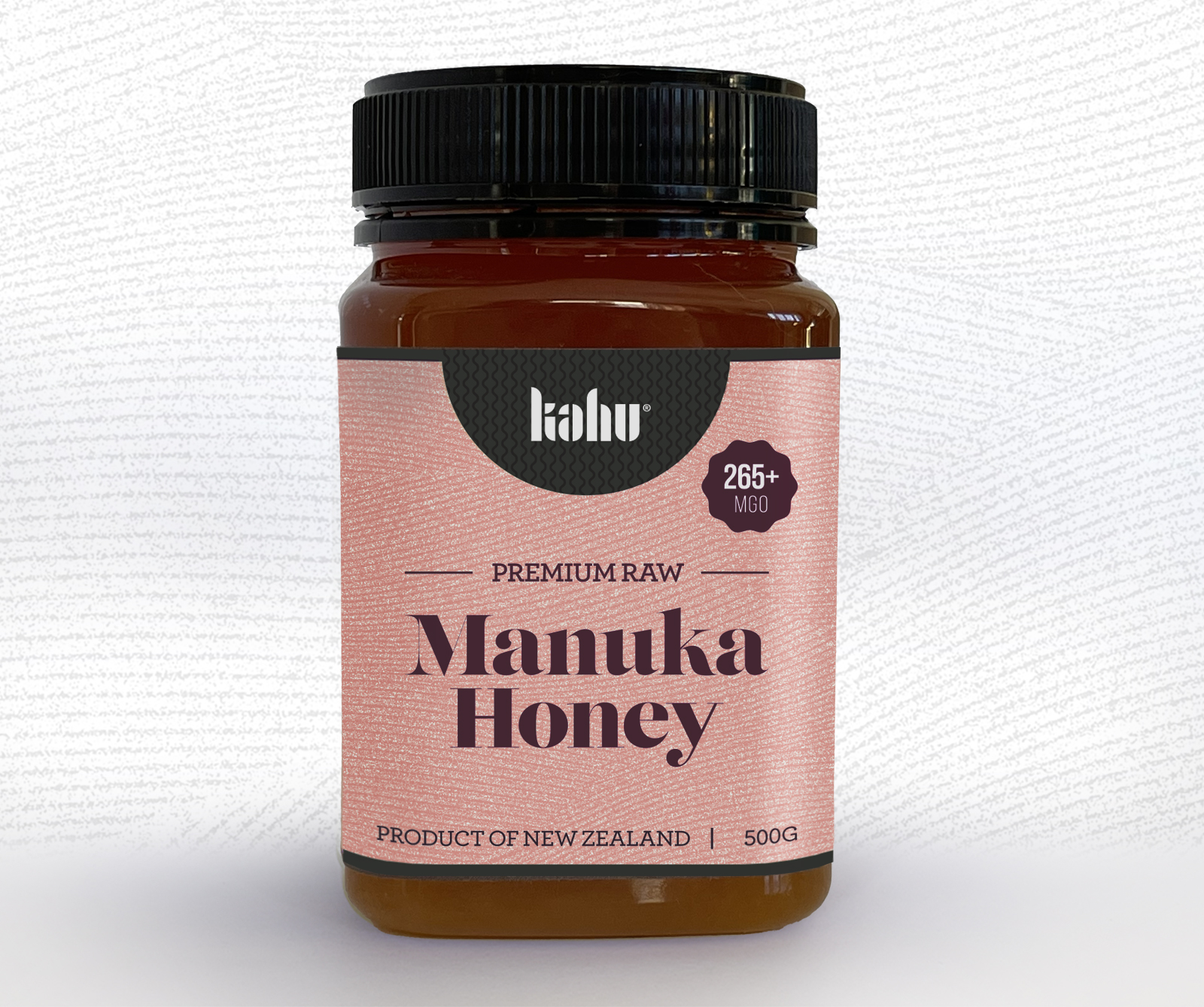
You’ve probably stood in the grocery aisle staring at a jar of honey that costs more than a decent bottle of scotch. It’s a weird feeling. On one shelf, you have the standard bear-shaped plastic bottle for $6, and right next to it is a sleek black jar with gold lettering priced at $95.
Honey is honey, right? Well, not exactly.
When people ask how much is manuka honey, they’re usually shocked by the answer. Depending on the potency and the brand, you might pay anywhere from $25 to well over $150 for a small 8.8oz (250g) jar. Honestly, the price gap is wild. But if you’re using it to soothe a throat or help with skin issues, the "cheap" stuff basically does nothing.
The 2026 Price Reality: What Are You Actually Paying For?
In 2026, the global market for this stuff has actually gotten more expensive. Production costs in New Zealand—where the vast majority of authentic Manuka comes from—have climbed significantly. We are seeing a trend where entry-level "daily" honey stays somewhat stable, but the high-grade therapeutic jars are hitting record highs.
Breaking down the numbers by grade
The price is almost entirely dictated by two sets of letters: UMF (Unique Manuka Factor) or MGO (Methylglyoxal). These aren't just marketing jargon; they measure the concentration of the "magic" stuff that makes Manuka different from clover honey.
- Low Potency (UMF 5+ / MGO 83+): This is your "everyday" honey. It’s great for tea or toast. Expect to pay about $25 to $35.
- Medium Potency (UMF 10+ to 13+ / MGO 263+ to 400+): This is the sweet spot for most people. It has some of those antibacterial benefits without costing a car payment. Prices usually land between $45 and $60.
- High Potency (UMF 15+ to 18+ / MGO 514+ to 696+): Now we’re getting into the serious range. People use this for wound care or gut health. You’re looking at $70 to $95 per jar.
- Ultra-Premium (UMF 20+ and up / MGO 829+): These are rare harvests. They’re basically the "reserve" wines of the honey world. Be prepared to drop $100 to $200 or more.
It’s expensive. No way around it.
Why Does It Cost More Than Regular Honey?
If you think about it, the bees have a really tough job here. The Manuka bush (Leptospermum scoparium) only blooms for about two to six weeks out of the entire year. That’s it. If it rains too much during those few weeks, the bees can't fly, and the entire harvest is a wash.
Supply is naturally capped by nature.
Then there is the testing. To carry a UMF label, the honey has to be tested in independent labs for four different chemical markers, including leptosperin and DHA. This isn't just a "vibe check." It’s a rigorous, government-regulated process. When you buy a jar from a brand like Comvita or Manuka Health, part of that $80 is paying for the paper trail that proves it isn't just sugar water.
The "Fake" Problem
Because the margins are so high, there's a lot of "Manuka-style" honey out there. About 70% of what's sold globally as Manuka is estimated to be fake or heavily diluted. If you see a 1lb jar for $15, I’m sorry to tell you, it’s not the real deal. It’s likely a "multifloral" blend where the bees touched a Manuka bush once but spent the rest of the day on clover.
How to Get the Best Value
Buying the highest number doesn't always make sense. If you just want a healthy sweetener for your morning smoothie, buying a UMF 20+ jar is a total waste of money. The heat from your coffee or smoothie will likely degrade some of those enzymes anyway.
For eating, stick to the UMF 5+ or 10+ range.
For topical use on a scrape or for a targeted wellness routine, that's when you move up to UMF 15+.
Real-world price examples (Early 2026)
| Brand | Grade | Size | Estimated Price |
|---|---|---|---|
| Comvita | UMF 15+ | 250g | $58 - $65 |
| Manuka Health | MGO 400+ | 250g | $48 - $55 |
| Steens | UMF 20+ | 250g | $110 - $130 |
| Kiva | UMF 15+ | 250g | $42 - $48 |
Keep an eye out for subscription discounts. Many New Zealand producers offer 15% off if you sign up for monthly deliveries. It’s a bit of a commitment, but if you’re a daily user, it’s the only way to make the price feel reasonable.
Spotting a Rip-off Before You Pay
Don't just look for the word "Manuka." Look for the UMF License Number. Every legitimate producer has one. You can actually go to the UMF Honey Association website and type in that number to see if the brand is actually authorized to use the label.
Also, check the origin. Authentic Manuka is packed and sealed in New Zealand. If it’s "shipped in bulk" and packed in another country, the risk of adulteration goes way up.
Actionable Next Steps
If you're ready to buy, here is the smartest way to do it without getting burned:
- Define your goal. Use UMF 5+ for food and UMF 15+ for wellness.
- Verify the seal. Look for the UMF trademark or an MGO rating above 250.
- Check the "Packed In" date. Freshness matters, though honey technically doesn't spoil, the bioactivity can dip over several years of storage.
- Buy small first. Don't buy the 1kg tub until you know you like the taste—Manuka is much more earthy and slightly bitter compared to clover honey.