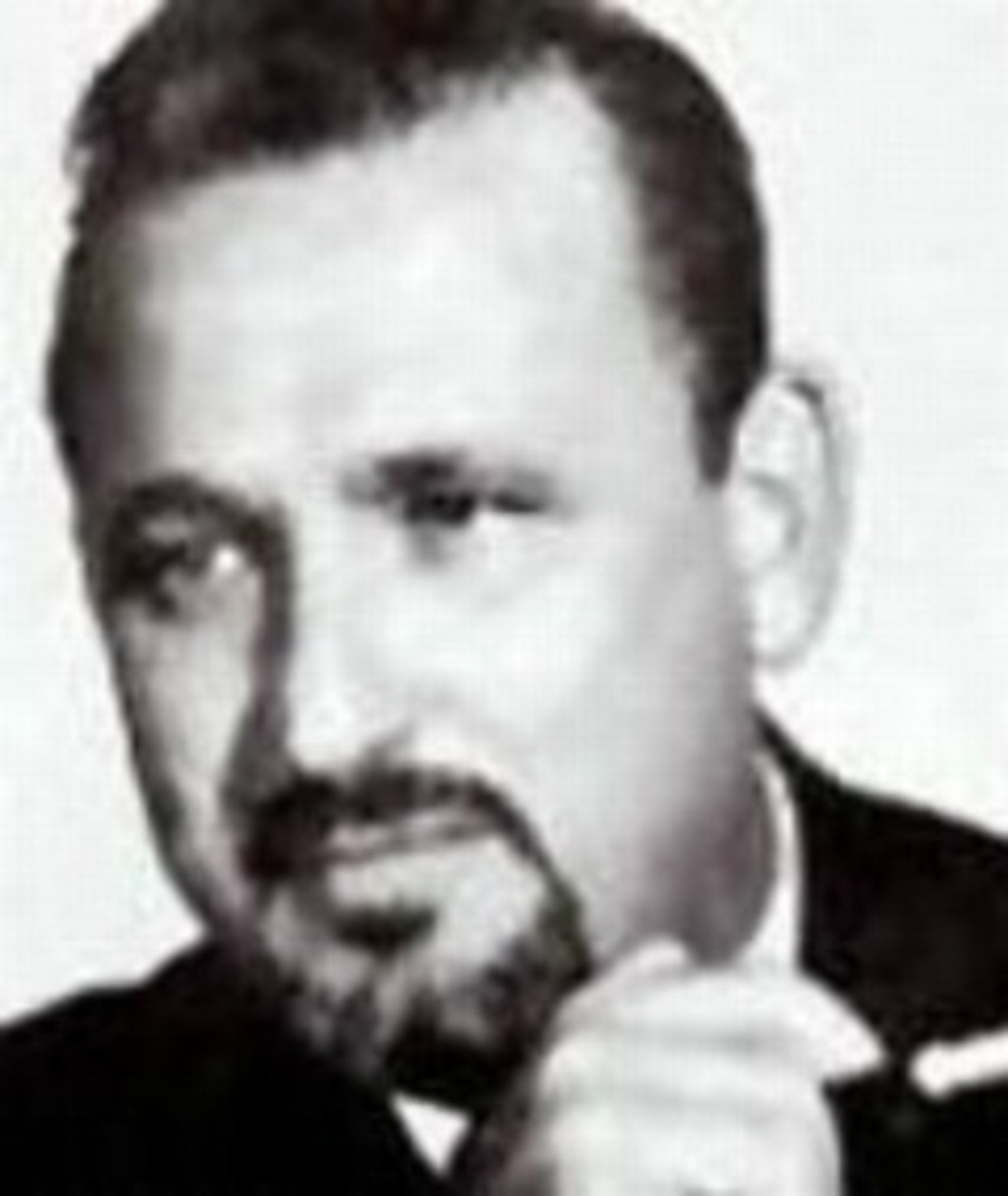
He wasn't just a director. Honestly, if you look at the landscape of Middle Eastern cinema in the 1950s, Ezz El Dine Zulficar was basically the glue holding the "Golden Age" together. While others were busy mimicking Hollywood beat for beat, Zulficar was busy figuring out how to make Egyptians cry, fall in love, and think—all at the same time.
He died young. Only 43.
But in those few decades, he managed to cram in a lifetime of military discipline and poetic sensitivity. It’s a weird mix, right? An army officer turned "Poet of Cinema." You don't usually see those two things on the same resume. Yet, that rigid background is exactly why his sets were legendary for their precision, even when the stories on screen were overflowing with messy, human emotion.
The Soldier Who Chose the Lens
Most people don't realize Ezz El Dine Zulficar started in the military. He graduated from the military academy and was a contemporary of the men who would eventually lead the 1952 Revolution, like Gamal Abdel Nasser. But the barracks couldn't hold him. He had this restless energy. When his brother, Mahmoud Zulficar, started getting into the film business, Ezz El Dine saw a different kind of battlefield. He quit his commission as a captain to become an assistant to Mohamed Abdel Jawad.
People thought he was crazy. You don't just walk away from a stable military career in 1940s Egypt to play with cameras.
His first film, Aseer al-Zalam (Prisoner of Darkness) in 1947, wasn't just a debut. It was a statement. He wasn't interested in the shallow comedies that were filling theaters at the time. He wanted grit. He wanted shadows. He wanted the kind of drama that stuck to your ribs. It’s funny because even though he’s known as a romantic, his early work had this noir-ish, heavy atmosphere that felt very European but deeply rooted in Cairo's backstreets.
The Faten Hamama Years: More Than Just a Romance
You can't talk about Ezz El Dine Zulficar without talking about Faten Hamama. They were the "it" couple, but not in the way modern influencers are. They were a creative powerhouse. They married in 1948, and for the next several years, they defined the emotional vocabulary of an entire generation.
Think about River of Love (Nahr al-Hub). It’s basically Anna Karenina but set against the backdrop of the Egyptian elite.
Zulficar had this knack for taking classic literary tropes and making them feel like they were happening in the house next door. He directed Faten in movies like Sira' Fi al-Wadi (Struggle in the Valley), which, by the way, is the movie that launched Omar Sharif’s career. Imagine being the guy who looked at a young, unknown Omar Sharif and said, "Yeah, that's the guy who's going to change everything."
Even after their divorce in 1954, they kept working together. That’s the mark of true pros. Most people would have avoided their ex like the plague, but Zulficar and Hamama made Bain al-Atlal (Among the Ruins) five years after they split. Critics still call it one of the most romantic movies ever made in the Arab world. It’s devastating. If you haven't seen it, bring tissues. Lots of them.
Breaking the "Romantic" Label
It’s actually kinda annoying how people pigeonhole him as just a romance director.
Sure, he did the "weeping lovers" thing better than anyone, but look at Rod Qalbi (Back Again) from 1957. This wasn't a love story in a vacuum. It was a massive, sweeping epic about the 1952 Revolution. It dealt with class struggle, the fall of the monarchy, and the birth of a new nation. He used his military knowledge to stage scenes that felt authentic, not staged. He understood the scale of history.
He also had a dark side. Or at least, a fascination with the psychological.
In Al-Rajul al-Thani (The Second Man), he basically invented the modern Egyptian action-thriller. It had a sleek, dangerous energy. It featured Salah Zulfikar (his brother) and Rushdy Abaza in roles that made them icons. He was experimenting with lighting and pacing in a way that felt decades ahead of his time. He wasn't just filming actors talking; he was using the camera to tell you what the characters were too afraid to say.
Why He Still Matters in 2026
We live in an era of "content." Everything is fast, cheap, and disposable. Zulficar represents the opposite of that. He was obsessed with the craft. He founded his own production company because he didn't want to answer to studio heads who only cared about the bottom line. He wanted total control.
When you watch a Zulficar film today, you notice the silence. He wasn't afraid to let a scene breathe. He knew that a look from Faten Hamama or a pause from Shadia was worth a thousand lines of dialogue.
There's a reason film schools in the Middle East still tear his work apart frame by frame. He understood the "grammar" of cinema. He knew when to break the rules and when to follow them. His influence is all over modern Egyptian directors like Yousry Nasrallah or even the late Youssef Chahine (who actually started his career around the same time and shared many of the same actors).
The Tragedy of 43
Ezz El Dine Zulficar died in 1963. He was at the absolute peak of his powers.
It’s one of those great "what ifs" of film history. If he had lived another twenty years, what would he have done with the technical advancements of the 70s and 80s? He likely would have gone even deeper into political realism or perhaps explored the more experimental styles coming out of Europe at the time.
But even with the short time he had, he left behind over 30 films. That’s a staggering output for someone who died so young. He didn't waste a single day. He was a workaholic in the best sense of the word—someone who was genuinely haunted by the stories he needed to tell.
How to Actually Experience Zulficar Today
If you're just getting into his filmography, don't just watch clips on YouTube. You've gotta see the whole thing to get the pacing.
- Start with "Bain al-Atlal" (Among the Ruins). It’s the quintessential Egyptian melodrama. It shows his ability to handle "big" emotions without letting them become cheesy.
- Watch "Al-Rajul al-Thani" (The Second Man). This is for when you want to see his technical skill with lighting and suspense. It’s cool, stylish, and surprisingly modern.
- Check out "Rod Qalbi". See how he handles a massive budget and a historical narrative. It's basically the Egyptian Gone with the Wind.
- Pay attention to the music. Zulficar worked with the best composers of the era. He used music as a character, not just as background noise.
The reality is that Ezz El Dine Zulficar didn't just make movies; he helped build a national identity. Through his lens, Egyptians saw themselves as heroes, lovers, and revolutionaries. He took the "fluff" of early cinema and turned it into an art form that commanded respect. You don't get the prestige of Arab cinema today without the foundation he laid down in the 50s.
To really appreciate his legacy, look for restored versions of his work. Many of his films have suffered from poor preservation, but recent efforts by the Egyptian Film Center and various festivals have started bringing his vibrant cinematography back to life. Seeing these films in their original clarity changes everything. It moves him from a "historical figure" to a living, breathing artist whose vision still feels remarkably fresh.
Next time you see a sweeping romantic shot in a modern drama, there’s a good chance the director is subconsciously stealing from Ezz El Dine Zulficar. And honestly? They should be.